Quaternion Approximation Networks for Enhanced Image Classification and Oriented Object Detection
IROS 2025 · Oral
Electrical Engineering PhD Student
I am a 2nd year Ph.D. student at Case Western Reserve University where I’m advised by Prof. Peng “Edward” Wang. I received my dual B.S. in EE & CPE (Electrical and Computer Engineering) from the University of Kentucky in 2024. I’m currently funded by the NSF GRFP.
I’m interested in building robotic systems that reason about pose, motion, and uncertainty through geometric-aware learning, causal inference, and sequential modeling.
I’m currently working on semantic affordances and topology-informed interpretability for VLAs.
Updates
🤖 Oct 2025 Attending IROS in Hanzghou to present QUAN
🧭 Apr 2025 Awarded the NSF GRFP
🎓 Aug 2024 Started my PhD at Case Western Reserve University
🧠 May - Aug 2024 PhD intern at HP focused on multi-agents, RAG, and anomaly detection
😼 May 2024 Graduated from the University of Kentucky with a dual BS in Electrical & Computer Engineering
IROS 2025 · Oral
Selected research and class projects.
2024
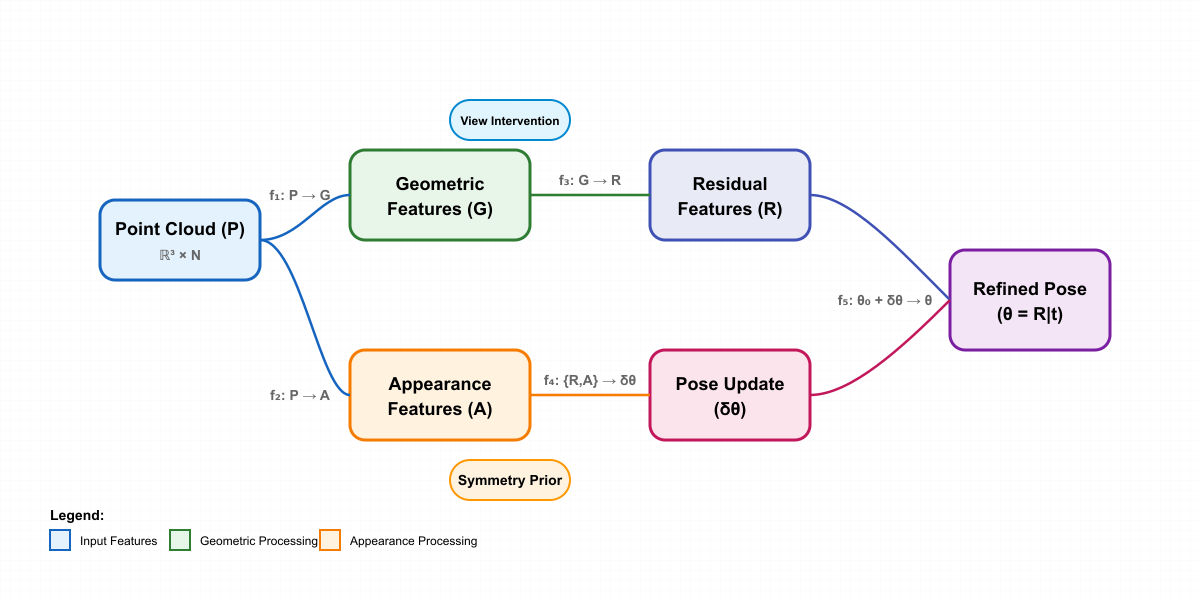
Refines 6D pose estimates using causal interventions and backdoor adjustments based on structural causal models. Improves robustness to viewpoint ambiguity and symmetry.
2024
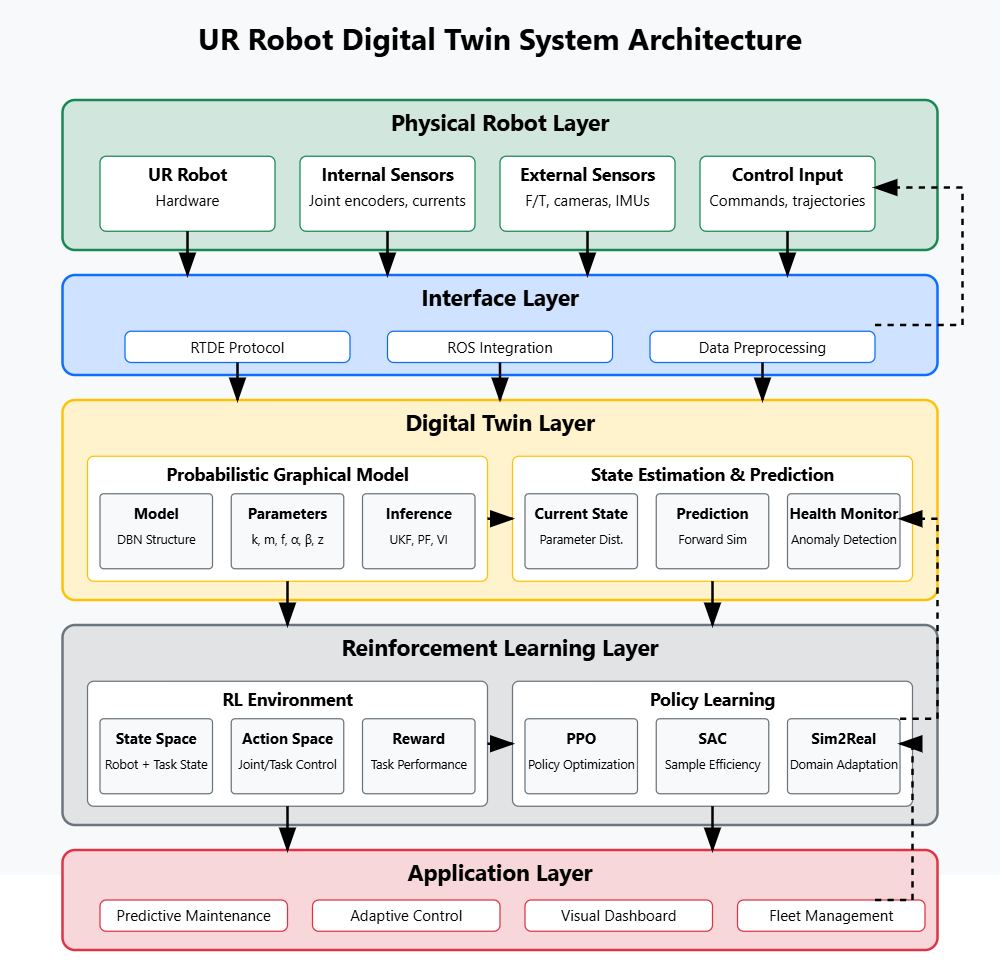
ROS2-integrated Dynamic Bayesian Network for real-time fault detection in Universal Robots using Unscented Kalman Filtering to track friction, damping, and wear parameters.

2024
Machine learning system for detecting obstructive sleep apnea events using physiological signal processing and deep learning techniques for real-time classification of respiratory disturbances.